Complete DIY Home Repair Guide
1. Importance of DIY Repairs

DIY home repair is an essential skill that empowers homeowners to handle small maintenance tasks without relying on professionals. Learning basic repair techniques not only saves money but also builds confidence and independence. Simple tasks such as fixing leaks, tightening loose fixtures, or repairing minor damages can be done with minimal tools and knowledge. Regular DIY maintenance prevents small problems from turning into major issues, reducing overall repair costs. It also helps in maintaining the value and condition of the property. By understanding basic repair methods, homeowners can respond quickly to issues and ensure a safe and functional living environment. DIY repair is not just about saving money—it is about taking control of home maintenance and improving efficiency. With practice and proper guidance, anyone can develop the skills needed to handle common household repairs effectively.
2. Essential Tools
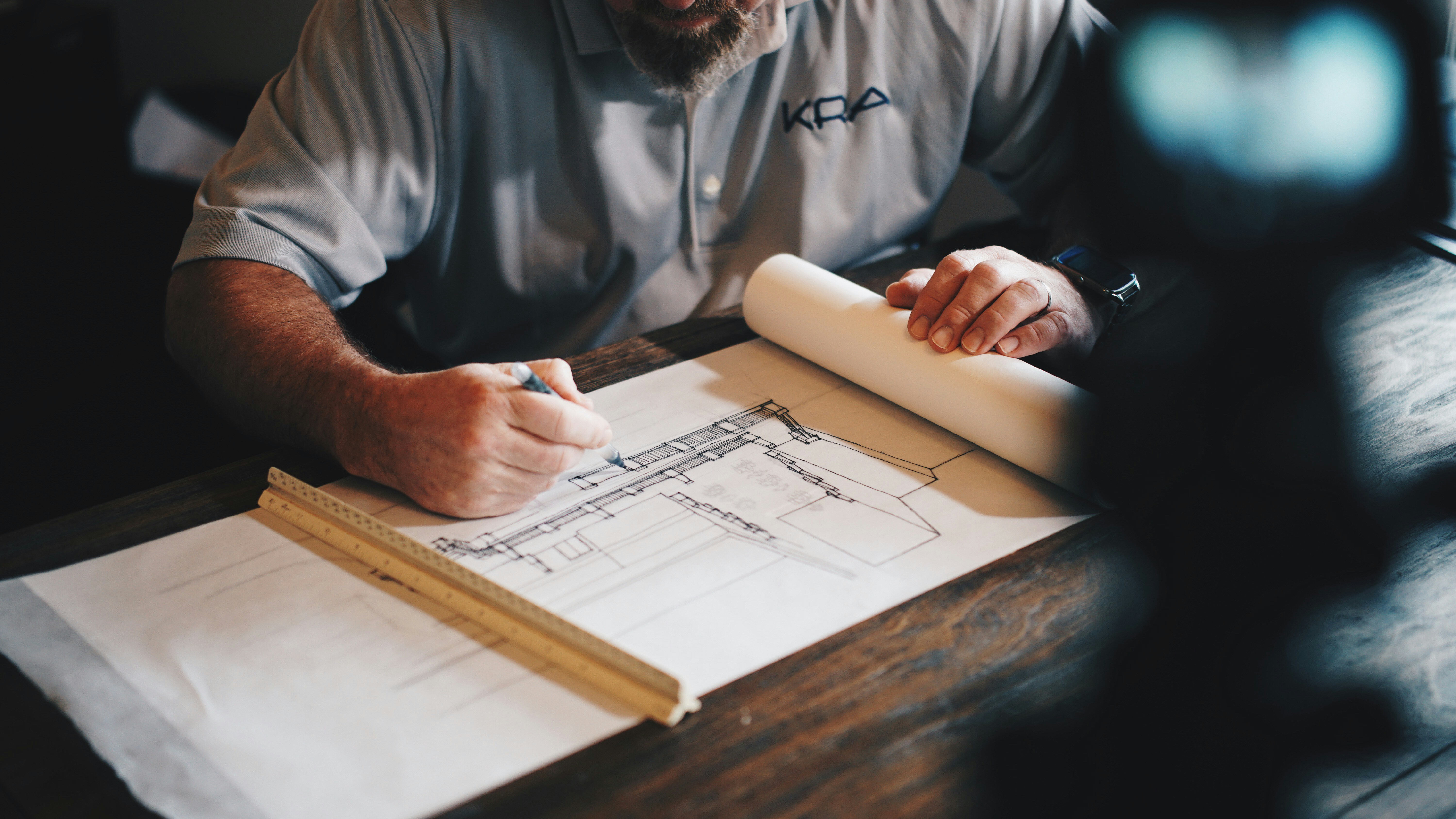
Having the right tools is essential for successful DIY repairs. Basic tools such as screwdrivers, hammers, pliers, and measuring tapes are necessary for most tasks. Investing in quality tools ensures durability and efficiency. Keeping tools organized allows quick access during repairs. Proper maintenance of tools also extends their lifespan and ensures safe usage.
3. Fixing Common Plumbing Issues
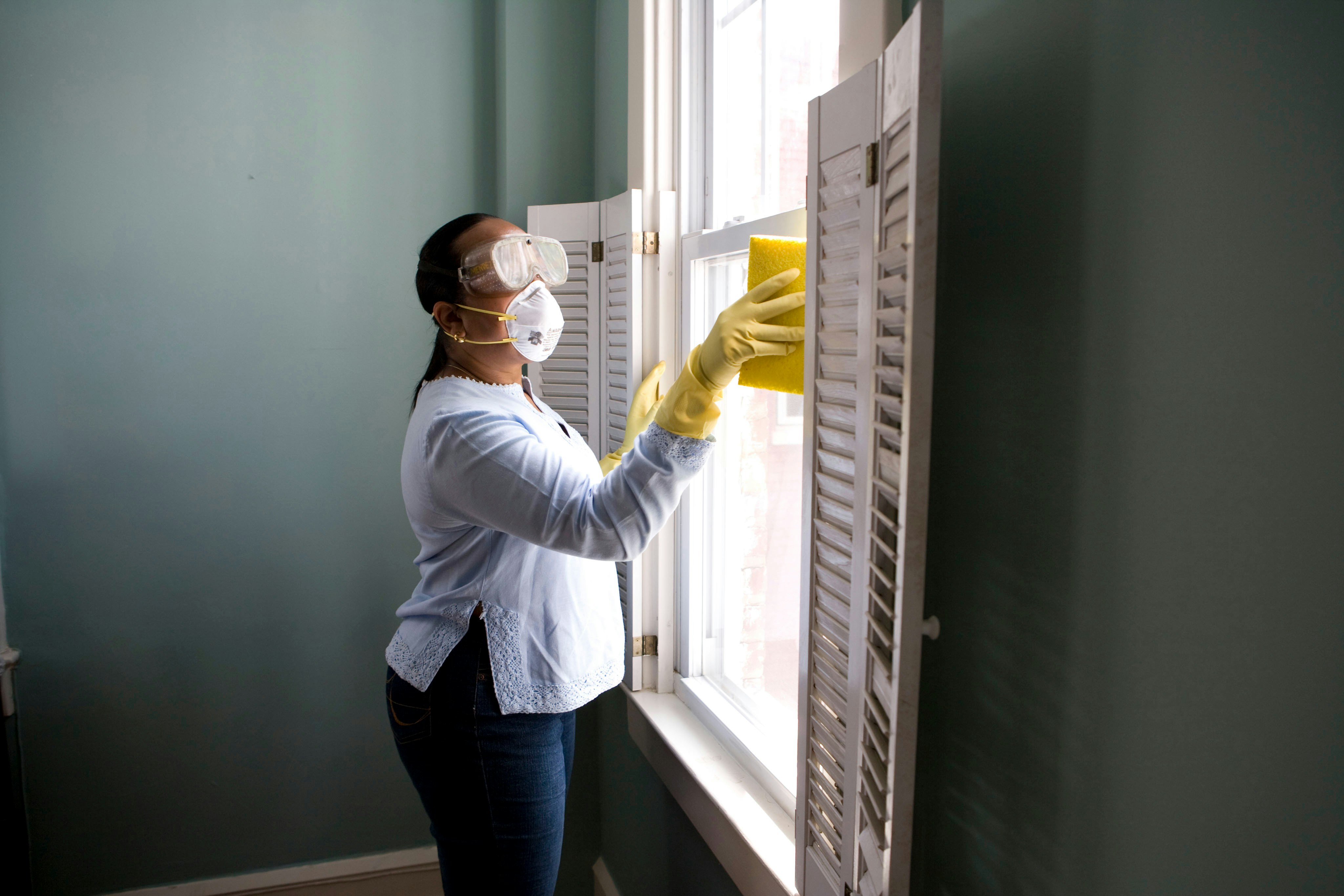
Minor plumbing issues such as leaking taps and clogged drains can often be fixed easily. Using simple techniques like tightening fittings or using drain cleaners helps resolve problems. Regular inspection prevents larger plumbing issues.
4. Basic Electrical Repairs
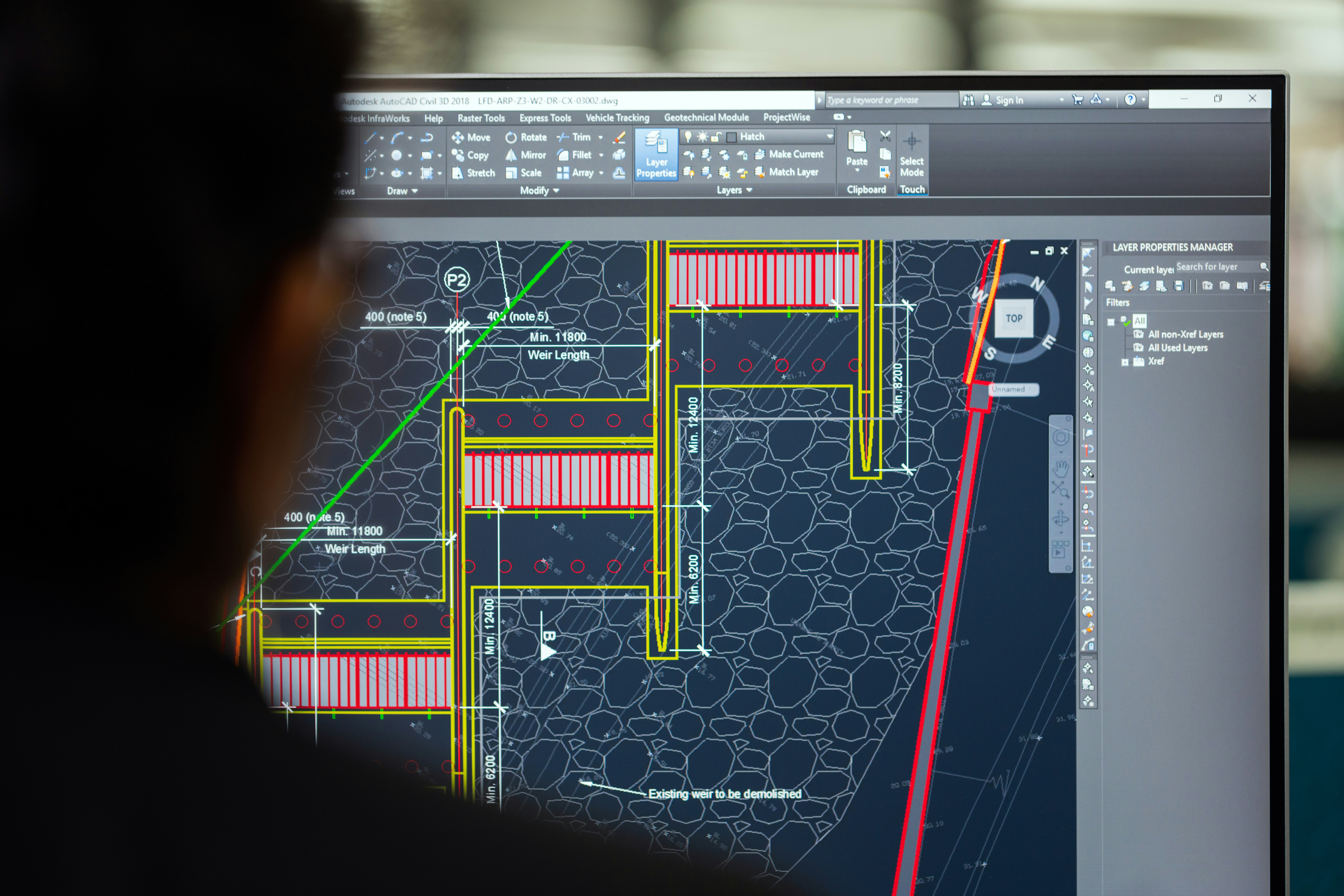
Basic electrical repairs include replacing bulbs, fixing switches, and checking wiring. Safety precautions should always be followed when working with electricity.
5. Wall and Paint Repairs

Repairing cracks and repainting walls improves appearance and prevents damage. Using quality materials ensures better results.
6. Furniture Fixes
Repairing loose joints and scratches helps extend furniture lifespan. Simple fixes improve usability and appearance.
7. Safety Precautions
Safety is crucial during DIY repairs. Wearing protective gear and following instructions prevents accidents.
8. When to Call Professionals

Complex repairs should be handled by professionals to ensure safety and proper results.
9. Cost Saving Benefits

DIY repairs reduce expenses and improve efficiency. Learning skills saves money over time.
10. Long-Term Advantages
DIY repair skills provide long-term benefits including independence, cost savings, and improved home maintenance.
⬅ Back to Home