Complete Home Safety Guide
1. Importance of Home Safety

Home safety is essential for protecting your family, property, and belongings from potential risks and hazards. A safe home environment ensures peace of mind and reduces the chances of accidents, theft, and emergencies. Many incidents such as fires, electrical failures, and break-ins can be prevented with proper precautions and awareness. Maintaining safety measures is not just about installing equipment—it also involves regular inspection and responsible behavior. By understanding potential risks and taking preventive actions, homeowners can create a secure living space. Safety should be a priority in every household, as it directly impacts well-being and quality of life. Implementing safety strategies helps in avoiding costly damages and ensures long-term protection for everyone living in the home.
2. Fire Safety Measures

Fire safety is one of the most critical aspects of home protection. Installing smoke detectors in key areas helps in early detection of fire hazards. Fire extinguishers should be easily accessible and regularly maintained. Avoiding overloading electrical outlets and keeping flammable materials away from heat sources reduces the risk of fire accidents. Practicing fire drills ensures that all family members know how to respond during emergencies. Proper kitchen safety, including monitoring cooking activities, is also essential. Fire safety measures not only prevent disasters but also save lives and property. Being prepared and aware can significantly reduce damage in case of fire incidents.
3. Electrical Safety
Electrical safety is crucial in preventing accidents such as shocks and fires. Regular inspection of wiring and appliances helps identify faults early. Avoiding the use of damaged cords and ensuring proper grounding reduces risks. Hiring professionals for electrical repairs ensures safety and reliability. Keeping water away from electrical devices is also important. Practicing safe usage habits protects both individuals and property.
4. Home Security Systems

Home security systems such as cameras and alarms provide protection against intruders. Installing secure locks and monitoring entry points enhances safety. Modern systems offer remote monitoring and alerts for better control.
5. Child Safety

Child safety involves securing hazardous areas and keeping dangerous items out of reach. Installing safety gates and covering electrical outlets prevents accidents. Supervision and awareness are key to protecting children.
6. Emergency Preparedness

Being prepared for emergencies ensures quick and effective response. Keeping emergency contacts and first aid kits accessible is essential. Planning evacuation routes improves readiness during crises.
7. Outdoor Safety

Outdoor safety includes proper lighting and maintaining pathways to prevent accidents. Securing fences and gates enhances security.
8. Safe Storage Practices

Proper storage of tools and hazardous materials prevents accidents. Organizing items ensures safety and accessibility.
9. Health and Hygiene Safety
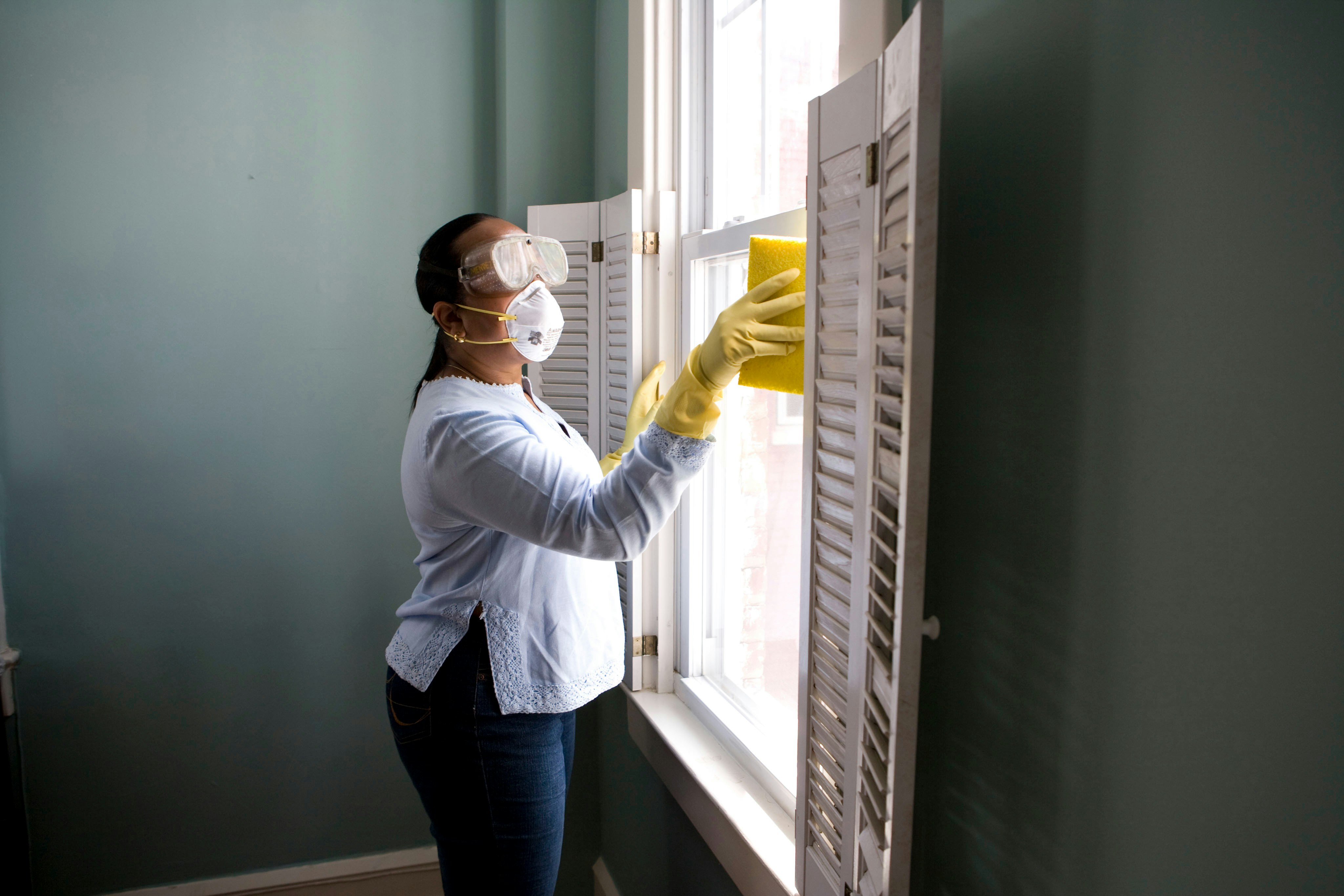
Maintaining cleanliness reduces health risks. Proper sanitation and hygiene practices ensure a safe living environment.
10. Benefits of Home Safety
Home safety measures provide protection, peace of mind, and long-term security. They prevent accidents and improve overall quality of life.
⬅ Back to Home